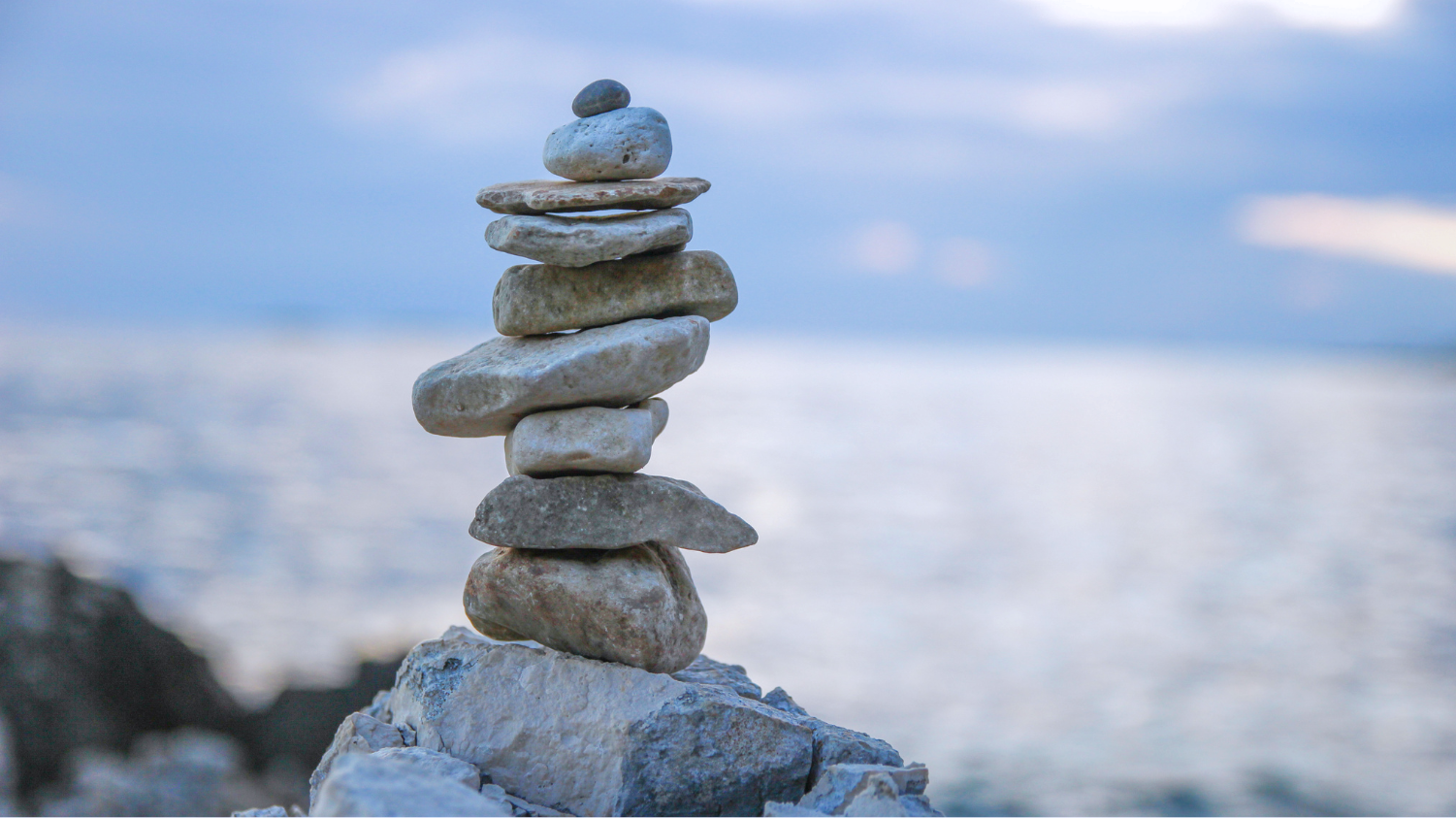

“Be thankful for what you have, you’ll end up having more. If you concentrate on what you don’t have, you will never, ever have enough.” -Oprah Winfrey
What better time to write about gratitude than when the world around us seems on the brink of crumbling? The times may be turbulent, but perhaps this is when we must pause, notice the small gestures, and feel grateful for what we have—and even for what we endure.
Gratitude- A word we hear so often that it risks losing its essence. Everyone says we should practice it, but how often do we stop and truly understand its transformative power? Gratitude isn’t just a fleeting thank-you; Gratitude is a state of being, it’s a way of life—a practice that grounds us, heals us, and connects us to the world in profoundly mindful ways.
Why Gratitude is More Than a Buzzword
Did you know that practising gratitude can physically rewire your brain? Neuroscience reveals that expressing gratitude activates the hypothalamus, improving sleep, appetite, and mood regulation. Even more fascinating, repeated gratitude practice strengthens neural pathways, making it easier for your brain to notice the good over time.
Research has shown that the right anterior temporal cortex is activated during moral judgments associated with feelings of gratitude (Zahn et al., 2009). Additionally, individuals who frequently express and experience gratitude tend to have an increased volume of gray matter in the right inferior temporal gyrus (Zahn et al., 2014).
But here’s something even more fascinating. Gratitude isn’t limited to the big, life-changing moments. In fact, research shows that it thrives in the mundane, the overlooked, and the fleeting moments. It’s not just about feeling thankful for that long-awaited promotion or just being alive, but savouring the warmth of the tea in your hands, the crisp sound of leaves crunching underfoot, or the way your child smiles when they spot you across the room.
Shifting the Lens: Mindfulness Meets Gratitude
What happens when mindfulness and gratitude join forces?
Interesting, right???
Well, that’s when you become more present to life’s gifts, however small. Mindfulness slows you down, and gratitude shifts your focus. Together, they’re an unbeatable team for living a fulfilled, content life.
Here’s where we shake things up: Gratitude isn’t about toxic positivity. You don’t have to suppress your struggles or slap a smile on your face. Instead, gratitude invites you to hold space for life’s dualities—the hard and the beautiful, the loss and the love.
Methods to Make Gratitude Stick
Let’s explore some practices that are both practical and meaningful.
1. Reverse Gratitude Journal
Forget starting your day with gratitude. Instead, end your day by jotting down one thing you’re not grateful for—but look deeper. For example:
- “I’m not grateful for the long commute.”
Then, reframe it:- “But I’m thankful for the podcast that kept me company and the skill I’m learning to embrace patience.”
This exercise helps you honour your struggles while gently reminding you of the silver linings.
2. The Gratitude Alarm
Set a random alarm on your phone daily. When it rings, pause. Observe where you are, what you’re doing, and find one thing to appreciate in that moment. Maybe it’s the sunlight streaming through the window, or the way your favourite song is playing in the background.
3. Gratitude Letters (With a Twist)
Gratitude letters aren’t new, but here’s a unique spin: write a letter to your future self. What would your future self thank you for today? It’s a humbling way to reflect on your efforts and see your actions in the present through a lens of appreciation.
After all, who better than you to appreciate the effort you put in today?
4. Gratitude in Motion
Incorporate gratitude into your movement. While walking or practicing yoga, match each breath or step with something you’re thankful for. “Thank you for my feet carrying me,” “Thank you for the cool breeze,” or even, “Thank you for my body’s resilience.”
When I was in Sivananda Ashram, Neyyar Dam, Kerala, for my yoga course, we used to go hiking once a week. During the journey, we were not supposed to talk but walk, chant, and meditate. That’s when I followed gratitude in motion, and it not only helped me with the steep climb but also made the entire experience deeply meditative.
5. Gratitude Anchors
Choose an everyday object—your coffee mug, a ring, or even your doormat. Every time you see it, let it remind you to pause and think of one thing you’re grateful for. Over time, these anchors become powerful tools to re-center your mind.
The moment could be as simple as your early morning tea or coffee, while holding the warm cup in your palms.
The Science of Gratitude in Relationships
Here’s an underappreciated aspect of gratitude: its impact on relationships. Studies show that couples who express gratitude for each other report higher satisfaction and connection. And it doesn’t have to be elaborate. A simple “thank you for always making coffee” or “I appreciate how you listen” can go a long way.
Take this idea beyond romantic relationships. Thank your coworker for their support, your child for their creativity, or your neighbor for their kindness. Gratitude spreads like wildfire—it’s contagious in the best possible way.
Gratitude Isn’t About Being Perfect
Lastly, remember that gratitude isn’t a performance. You’re not competing to be the most thankful person in the room. Some days, you’ll struggle to find anything to be grateful for—and that’s okay. Gratitude is a practice, not a destination.
What’s one thing you’re grateful for right now? Take a moment. Let it settle. And maybe, just maybe, share it with someone who needs to hear it.
References:
The Neuroscience of Gratitude and Effects on the Brain
7 Unconventional Ways to Harness the Power of Gratitude for Personal Growth | Spirituality Shepherd
PS: This blog post is part of ‘Blogaberry Dazzle’ hosted by Cindy D’Silva and Noor Anand Chawla.
 Cerebration
these tips are very much helpful. Especially the one about reverse gratitude it totally is a new way of thinking
LikeLiked by 1 person
Thank you!
LikeLike
I found the alarm tip interesting. I enjoy watching birds and feeling so grateful for the world that I see now. It’s almost like finding another life.
LikeLike