

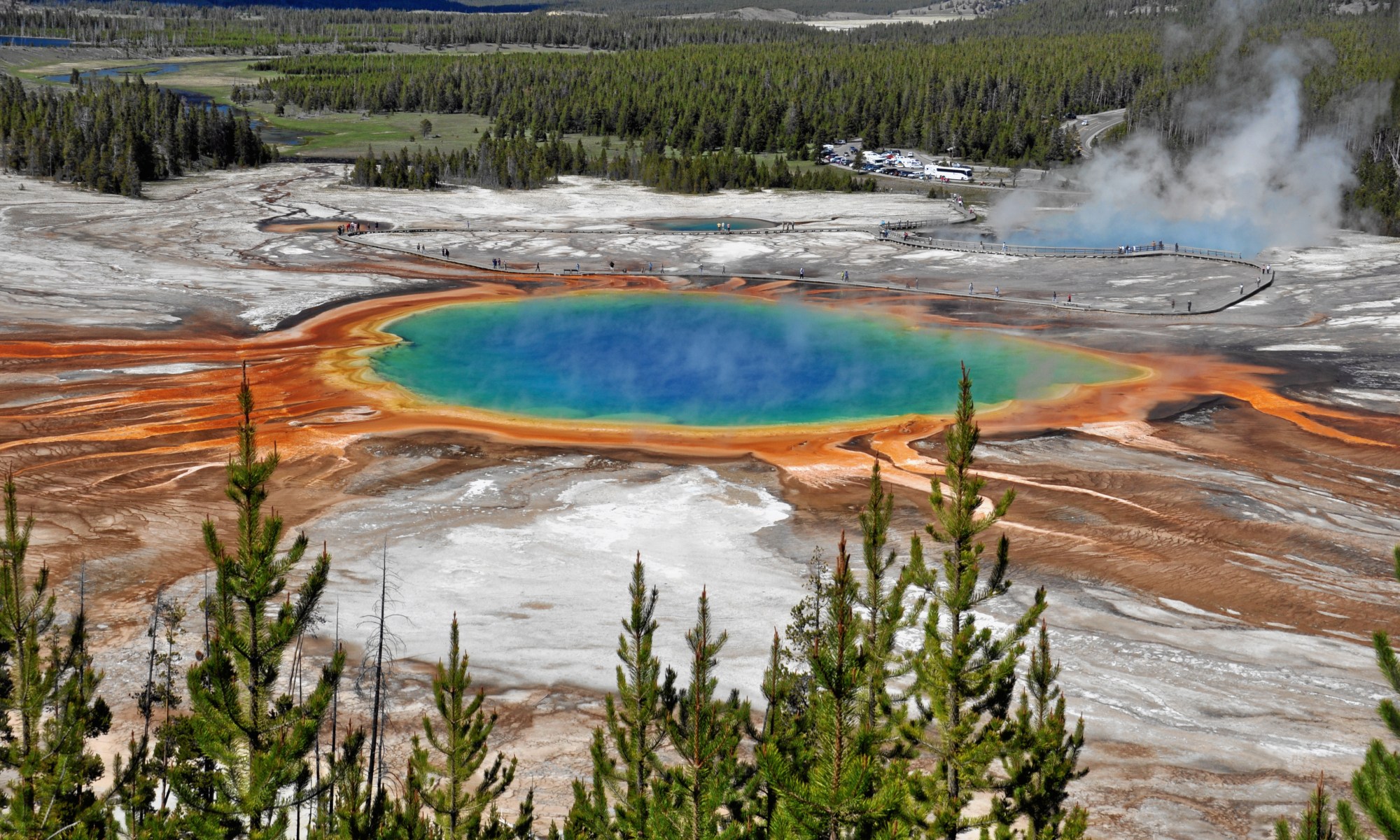
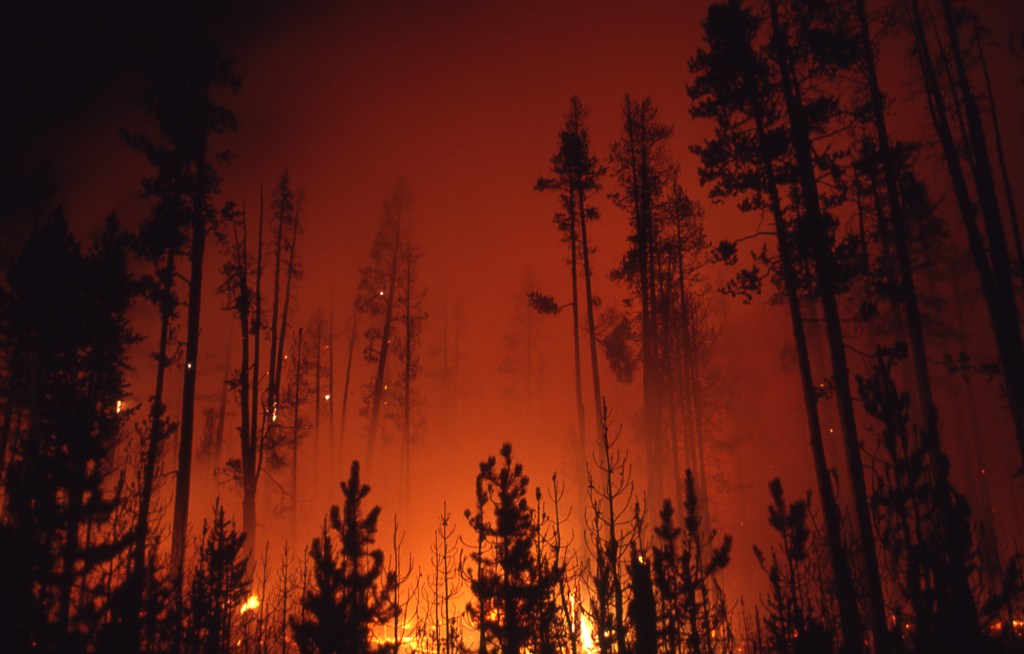
Pic Courtesy: https://www.yellowstonenationalparklodges.com/connect/yellowstone-hot-spot/the-value-of-fires-to-yellowstone-national-park/

Forest Fires can start naturally, like from a lightning strike, or be caused by human activity—campfires left unattended, discarded cigarettes, or deforestation. The fire spreads quickly through wooded areas, fueled by dry plants, wind, and the lay of the land.
I started exploring case histories of forest fires. At first, the stories seemed devastating. Then I came across one event that completely shifted my perspective—the Yellowstone National Park fire of 1988. The fire not only left a mark on the landscape but also reshaped the future of an entire ecosystem.
What I discovered blew my mind!
Let me take you on a journey that promises new beginnings. What better time to reflect on this than after Makar Sankranti, a festival that celebrates new beginnings and fresh starts?
The Flames That Changed Yellowstone
Forest fires are often seen as catastrophic. But ecologists know they are part of nature’s design. Fires play the role of nature’s reset button, clearing dead vegetation, releasing nutrients into the soil, and making room for new growth.
The Yellowstone fires of 1988 are a perfect example.
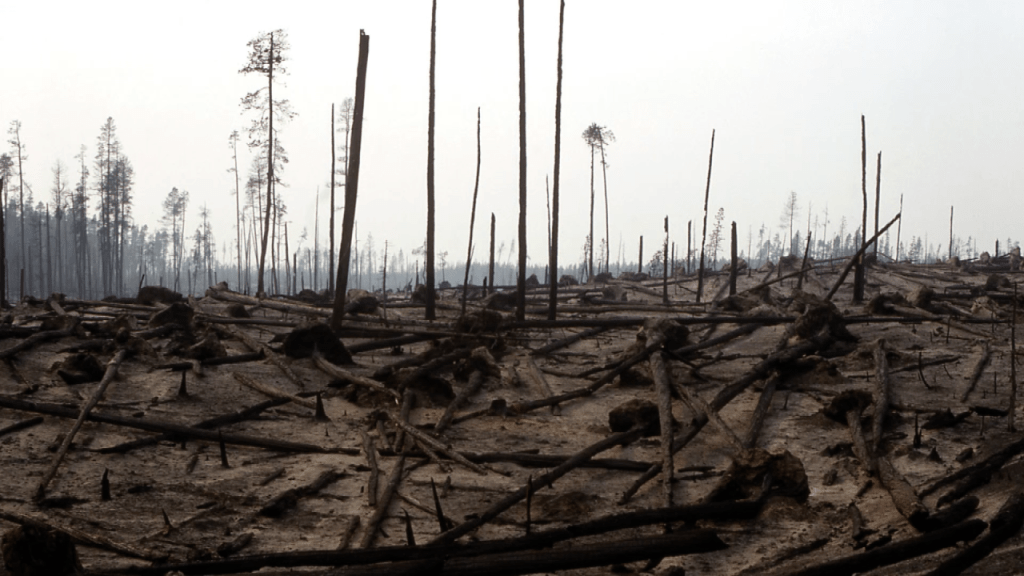
In the summer of 1988, Yellowstone National Park, a haven of pristine wilderness in Wyoming, faced a calamity of unprecedented scale. A series of wildfires across the park destroyed over 1.2 million acres of forestland. To onlookers, it was a scene of utter devastation—ancient trees reduced to ash, wildlife fleeing for survival, and a landscape seemingly lost forever.
Yet, It was the beginning of something extraordinary. Beneath the remains of Yellowstone’s forests, nature was quietly preparing for one of the most remarkable transformations in ecological history.
Seeds of Renewal
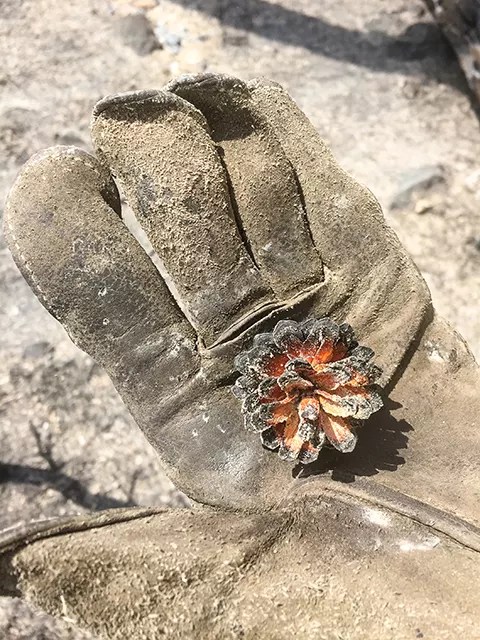
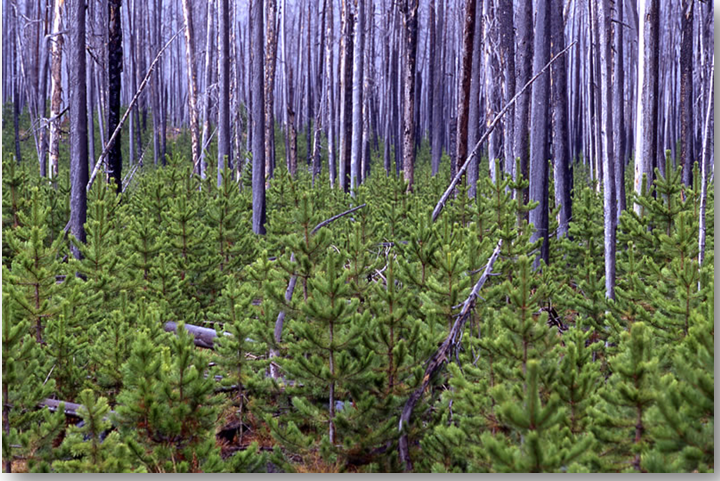
One of the most fascinating results of the fire was how the lodgepole pines responded. These trees have cones that stay tightly sealed with resin. Only extreme heat can release their seeds.
The fire melted the resin, scattering seeds across the forest floor. The ash provided nutrient-rich soil. With more sunlight reaching the ground, new life began to sprout. Wildflowers, shrubs, and grasses emerged, painting the once-charred land with vibrant colors.
Additionally, the absence of towering trees allowed sunlight to reach the forest floor for the first time in decades. Wildflowers, grasses, and shrubs began to flourish, creating a thriving habitat
Nature’s Resilience and the Cycle of Life
Pic Courtesy: https://www.sliderbase.com/spitem-689-1.html
The aftermath of the Yellowstone fires demonstrated nature’s incredible resilience. In the years following the fires, the park transformed into a mosaic of life.
What appeared to be a lifeless wasteland in 1988 became a vibrant ecosystem by the mid-1990s. This process, known as ecological succession, is a reminder that even in the face of adversity, life finds a way to begin anew.
But the question arises, will Yellowstone’s forests will recover from future fires the same way?
Dr. Monica Turner, a 29-year-old staff scientist at Oak Ridge National Laboratory, worries that the answer might be a ‘No’. Only time and large-scale research studies will tell.
The recovery of the landscape depends on factors like the type of fire and the distance between burned and unburned areas of the same type of forest. It is easier for plants to return to burned places only if both patches are right next to each other.
Lessons for Humanity
The story of Yellowstone holds valuable lessons for us as individuals and as a society:
- Adapting to Change: Just as the forest adapted to fire, we too must learn to embrace change. Whether it’s personal loss, professional setbacks, or societal upheaval, change often clears the way for growth.
- Finding Hope in Destruction: The sight of charred trees may seem disheartening, but they symbolize a fresh start. Similarly, our challenges and struggles often pave the way for unexpected opportunities and growth.
- Balancing Intervention with Nature: The fires of Yellowstone taught us the importance of respecting natural processes. Initial attempts to suppress every fire hindered the ecosystem’s ability to rejuvenate. Sometimes, we need to step back and allow nature—or life itself—to take its course.
The Yellowstone fires of 1988 remind us that destruction is not the end; it’s a new beginning. Just as the forest bloomed from the ashes, we too can find renewal in our most challenging moments.
References:
Forest Fires in Yellowstone: the Science of Burning and Regrowth (U.S. National Park Service)
Yellowstone fires of 1988 – Wikipedia
PS1: This post is part of #BlogchatterBlogHop.
PS2: This blog post is part of ‘Blogaberry Dazzle’ hosted by Cindy D’Silva and Noor Anand Chawla.
 Cerebration
I enjoyed reading your research and absolutely agree that accepting nature is the biggest solution to all problems.
LikeLiked by 1 person
Thank you so much for your kind words!
LikeLike
Your post has so many lessons. Primary being that we must let Nature take its course and be as vigilant as possible. The recent fires in LA were such a shocker, but there’s hope, I guess.
LikeLiked by 1 person
Nature indeed has a remarkable way of healing when it is allowed to so. Recovery depends on a lot of factors but then lets be hopeful! Thanks for sharing your thoughts.
LikeLiked by 1 person
I am glad that people there waited for Nature to take its own course and didn’t rush to build skyscrapers and mansions on that burnt forest land saying it’s anyway burnt, let’s build a city on it!
LikeLiked by 1 person
Yeah, true!!! Unnecessary human intervention often halts the process that could lead to a miracle.
LikeLiked by 1 person
What a beautiful and real presentation of power of healing… just the way humans try to heal their pain, and challenges in life, in a similar fashion nature does that too and your blog enlightened us on this thought process.
LikeLiked by 1 person
Thank you so much for your kind words 🙏
LikeLike
I like your research work and the way you convince how to cope up with life challenge. There are many things which we can learn from the nature.
LikeLiked by 1 person
Absolutely! There is so much to learn from nature,
-resilience, survival, healing, recovery and much more! Thank you for sharing your thoughts!
LikeLike
This story beautifully captures nature’s resilience! The Yellowstone fire teaches us that even in devastation, there’s renewal. Just like forests rebirth, we too can grow stronger after setbacks. Truly inspiring! 🌱🔥
LikeLiked by 1 person
Yes indeed, i believe we can and we should learn so much from the nature..thank you for sharing your thoughts!
LikeLike
Thanks for sharing that history about Yellowstone. It’s amazing how much nature teaches us in every possible manner, isn’t it? I loved the concluding lines of the post, “Destruction is not the end; it’s a new beginning.”
LikeLiked by 1 person
Absolutely true! Nature teaches us how to live, survive, heal, recover, and beyond, only if we can learn from it. And about the last line, i am glad it caught your attention. It reflects hope and hope is the force that keeps the world alive.
LikeLiked by 1 person
W
LikeLiked by 1 person
hi
LikeLiked by 1 person
Hi!
LikeLike
Nature’s way of healing and resetting is beyond our grasp, isn’t it? Who knew wildfires could end up changing an entire landscape for good? This was such an interesting read!
LikeLiked by 1 person
Absolutely! Nature has its own way around life and there is so much we can learn and imbibe. I am glad you found the post interesting
LikeLiked by 1 person
Lovely, lovely! We keep hearing about the importance of learning from Mother Nature, and yet we don’t. We just don’t understand Her power and resilience. Why She is the way She is! Instead, we try to interfere with Her workings, and more often than not, get “fried” by Her. What an amazing article, Pinkii
LikeLiked by 1 person
Absolutely true! We can learn so much from Nature yet we get punished and still don’t learn. May be someday! Thank you so much for stopping by and sharing your your thoughts.
LikeLike
Such an insightful post! The lessons from Yellowstone are so thought-provoking—how nature’s raw power mirrors life’s challenges. I love how you connect it to personal growth and resilience. Truly inspiring!
LikeLiked by 1 person
Thank you so much for your kind words. I am glad you liked the post!!!
LikeLike
I am glad you found the post insightful. Thank you so much for sharing your thoughts.
LikeLike
The 1988 Yellowstone fires were a stark reminder of nature’s resilience and the delicate balance of ecosystems. It’s fascinating how fire, though destructive, also plays a crucial role in regeneration and renewal. Thank you for sharing a well-researched article. It came at the right time.
LikeLiked by 1 person
True! “Fire is destructive yet it helped in regenration” nature has a miraculous way of working, only if we understood. I am glad you found it useful. Thank you for sharing your perception as well
LikeLike
You did amazing research and posted this article with so much good information. Nature always guides us via different messages. Who accepts are aways the wise minded .
LikeLiked by 1 person
True, we can learn the ways of living and healing from Nature but then only if we learn sincerely. Thank you so much for sharing your thoughts ❤️
LikeLike
This is such a thought-provoking post. I never really thought about forest fires from the angle you’ve shared. I always saw them as just devastating, but hearing about the Yellowstone fire and how it reshaped an entire ecosystem is amazing.
Loved how you connected it to Makar Sankranti – that sense of new beginnings feels so fitting for this topic.
LikeLiked by 1 person
Yes indeed, nature works in mysterious and miraculous ways. I am glad you loved the post. Thank you so much for sharing your thoughts.
LikeLike
Wow this was amazing! Love the way how nature seems to have thought of everything. How the pine cones contain seeds that open only in extreme heat – was just mind blowing. Thanks so much for the really informative post!
LikeLiked by 1 person
Nature works in a miraculous way. I wonder there might be so much more that we are still not aware. I am glad you found some good information here!
LikeLike
Really good one about forest fires loved the way you derived life lessons in the final passage. Great work.
LikeLiked by 1 person
Thank you so much! Glad you liked the post.
LikeLike
Incredible post! I appreciate your research and the way you guided the correlation between life and nature.
LikeLiked by 1 person
Thank you so much!
LikeLike
I had no idea about this. What a wonderful lesson from nature!
LikeLiked by 1 person
I’m so glad you discovered something new and valuable here. Thank you!
LikeLiked by 1 person